

Budget 2027 - What's the Fuss?
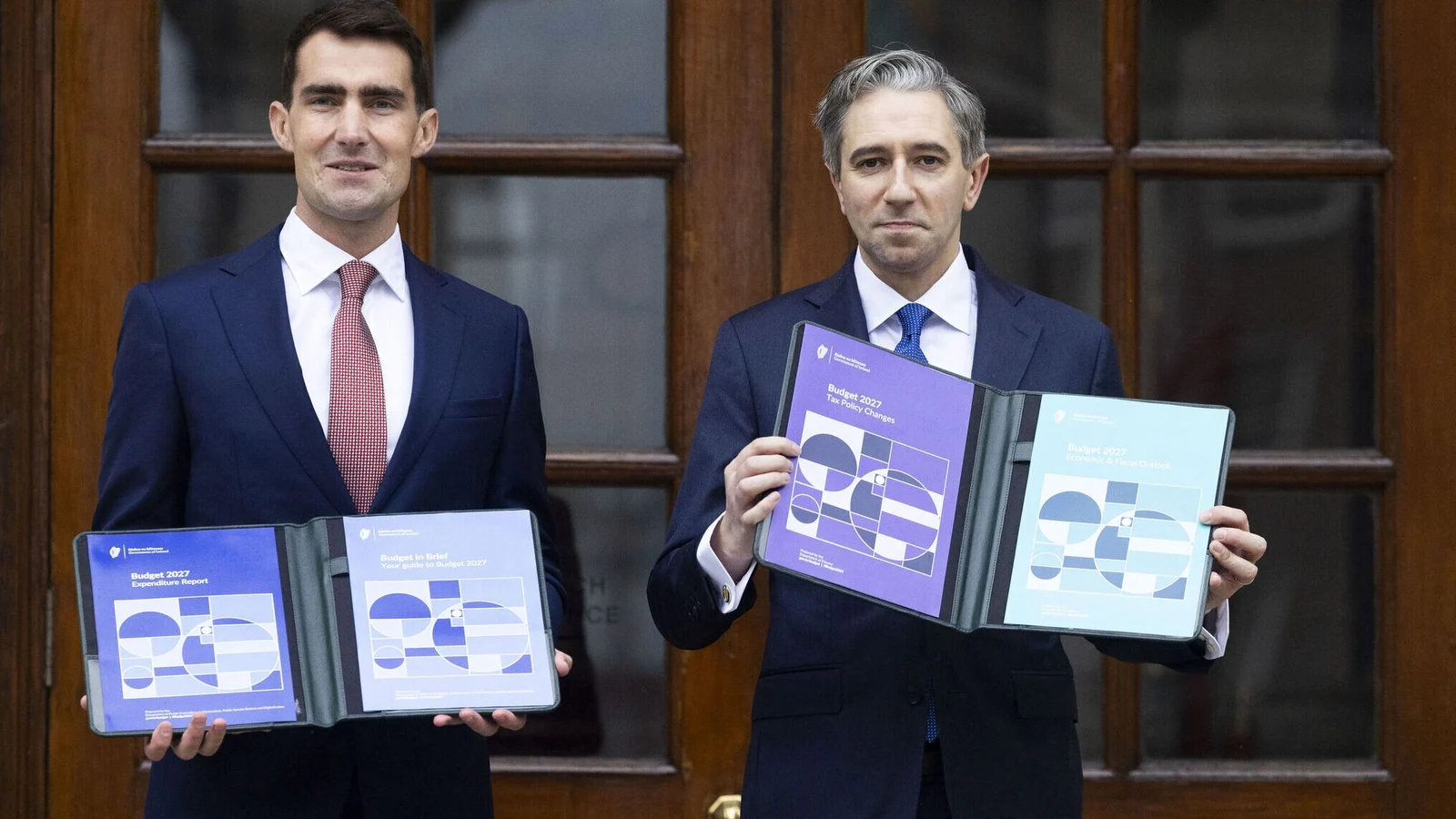
Budget Day has happened. Billions of euro have been announced, politicians have spent the day talking about investment and priorities, and now comes the slightly harder part: figuring out what any of it actually means.
So, we’ve picked out 10 things from Budget 2027 that young people should know about.
1. €8.65 billion is being spent
The Government’s Budget package is worth approximately €8.65 billion. That includes around €7 billion in additional public spending and €1.65 billion in tax measures. That is a huge amount of money. But the big question isn't just how much is being spent. It’s where the money is going, and what difference it will actually make. For young people, that matters because the Budget affects things like education, housing, transport, employment, childcare and public services.
2. College is getting a little bit cheaper
If you're heading to college, already there, or planning on going in the future, there is some good news. The student contribution fee is being permanently reduced by €150. SUSI maintenance grants are also increasing by 4.5% from January. It's not free college, and it doesn't solve every problem students face, but it is a reduction in some of the costs associated with going to college.
3. So... where is the Culture Card?
This one is worth talking about. The proposed €100 Culture Card for 16-year-olds was expected to give young people money to spend on cultural activities such as cinemas, theatres, concerts and other events. It was talked about a lot in the run-up to the Budget.
But it wasn't included in Budget 2027. There is no specific Budget funding for the Culture Card. The Government has said it remains committed to the idea, but for now, there is no Culture Card being delivered through this Budget.
For something that was being discussed as a major youth measure, its absence is noticeable.
4. €7.6 billion for Children, Disability and Equality
The Department of Children, Disability and Equality will receive approximately €7.6 billion in 2027. That sounds like an enormous amount of money. And it is.
But the increase is around €0.5 billion. That is roughly a 7% increase. The department is responsible for a huge range of areas, including childcare, disability services, children's services and equality.
So while an additional €500 million is certainly significant, it is fair to ask whether it goes far enough when demand for many of these services is already extremely high. More money is welcome.
The question is whether it is enough.
5. Childcare is getting cheaper
For families with young children, one of the biggest announcements is childcare. The maximum monthly fee parents pay for children up to senior infants is being reduced from €735 to €550. That's a potential saving of €185 every month, or €2,220 a year per child for families paying the maximum fee.
Most teenagers aren't paying childcare bills themselves, but this still matters to young people. It affects young parents, young families and anyone thinking about starting a family in the future.
6. The minimum wage is going up
From 2027, the national minimum wage will increase by 79 cent, bringing it to €14.94 per hour. For young people entering the workforce, particularly those working part-time alongside school or college, this is directly relevant.
But there's another side to this. A higher wage is useful, but if rent, transport, food and other costs continue to rise, the important question is how much further that money actually goes.
7. Housing is still the elephant in the room
Let's be honest. Housing is one of the biggest issues facing young people in Ireland. Budget 2027 increases the maximum Help-to-Buy refund by €5,000, bringing it to €35,000.
The Renters' Tax Credit is also increasing to €1,150 for individuals and €2,300 for couples. But there is an obvious problem. A tax credit doesn't create more affordable homes. And €35,000 towards a house deposit doesn't necessarily make buying a home affordable when house prices remain so high.
For many young people, the question isn't just how much help is available. It's whether they can realistically afford to get onto the property ladder at all.
8. €14.4 billion for Education
The Department of Education and Youth will receive €14.4 billion in 2027. Some of the measures include:
• €56 million more for special education needs
• 2,339 additional SNAs
• 1,353 additional special education teachers
• €17 million more in school capitation funding
• €2 million for DEIS Plus
• €3 million for 100 additional Home School Community Liaison Coordinators
There is also significant investment in school buildings and modernisation. The headline figure is massive, but some of the most important parts of the Budget are hidden inside that number. For students, additional supports for special education could have a much more direct impact on everyday life than the overall €14.4 billion figure suggests.
9. €5.5 billion for Transport
The Department of Transport will receive €5.5 billion in 2027. That includes investment in public transport projects including DART+, BusConnects and Cork's commuter rail programme.
For young people, transport isn't just about getting from A to B. It's about whether you can actually get to school, college, work, training, events, activities or even see your friends without needing access to a car. Good public transport gives young people more independence.
And for people living outside Dublin, investment in regional transport can make a huge difference.
10. So... is Budget 2027 actually good for young people?
This is where things get complicated. There are genuinely positive measures. College is slightly cheaper. SUSI is increasing. Childcare is getting cheaper. The minimum wage is rising. More money is going into special education. Transport is receiving major investment. But there are also some pretty obvious gaps.
The Culture Card is missing. Housing remains seriously difficult. And while the Department of Children, Disability and Equality is receiving more money, its allocation is increasing by around €0.5 billion despite the enormous range of services it is responsible for. So is Budget 2027 good for young people?
There are good things in it. There are also things that leave a lot to be desired. And that's exactly why young people need to understand the Budget. Because it isn't just numbers announced in the Dáil. It's money that affects our education, our homes, our transport, our opportunities and our future.